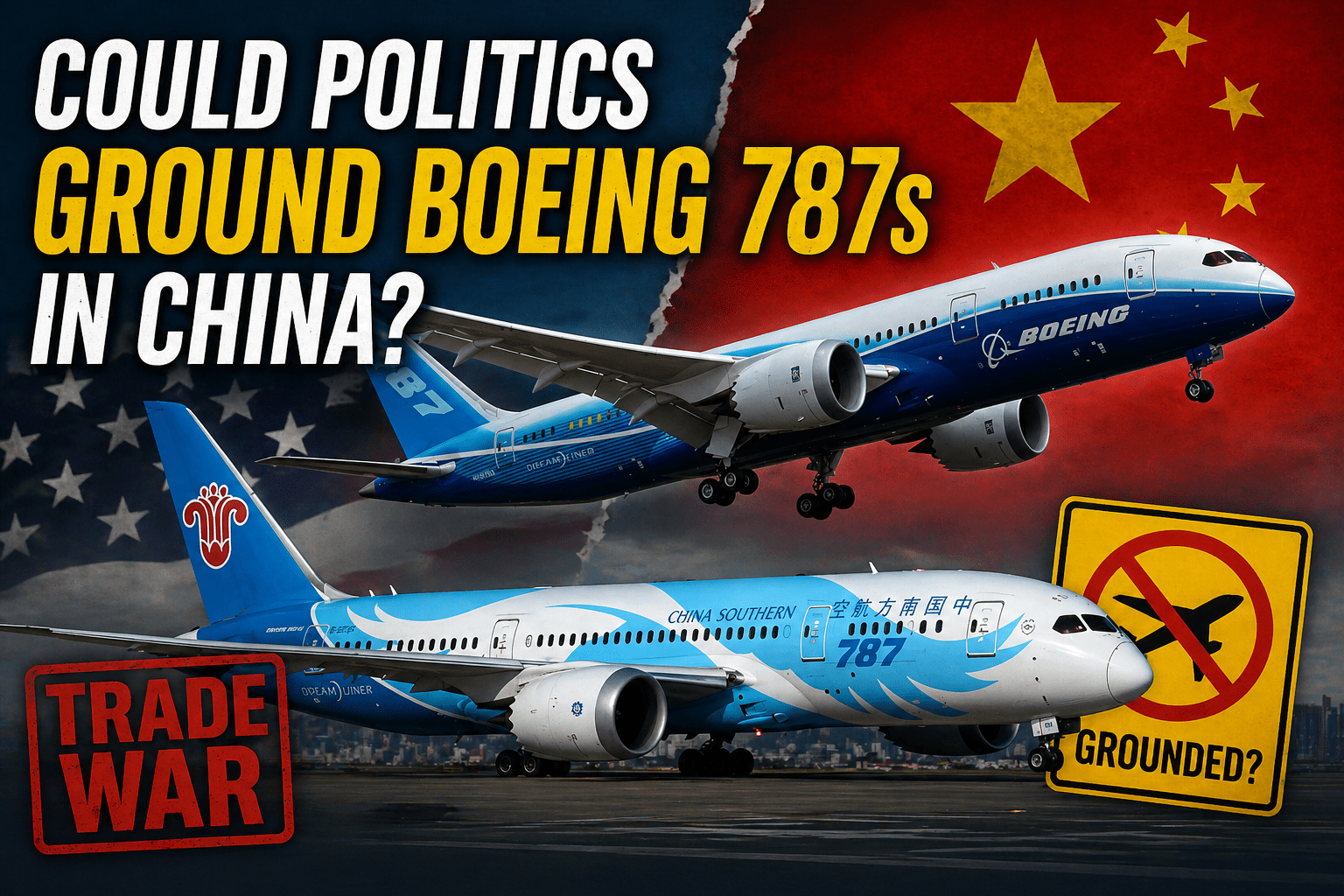
The ongoing trade tensions between the United States and China are no longer just about tariffs and economics—they’re starting to ripple into global aviation in a serious way. What was once a dispute over aircraft deliveries is now raising deeper concerns about whether political decisions could eventually keep certain planes from flying at all.
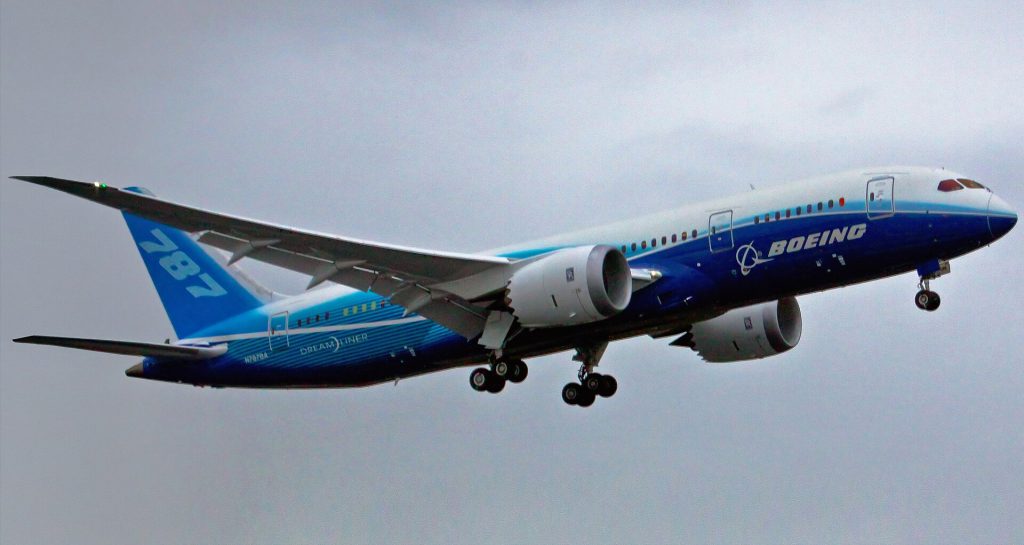
At the center of this issue is Boeing and its 787 Dreamliner, a key aircraft used by Chinese airlines for long-haul routes. While delivery delays have already made headlines, industry experts are now focusing on something potentially more disruptive: access to spare parts.
From Delivery Delays to Operational Threats
The situation began escalating in April 2025, when China temporarily stopped accepting Boeing aircraft after imposing tariffs on U.S. goods. Although that restriction was lifted shortly after during a brief easing of trade tensions, the uncertainty never fully disappeared.
Now, analysts warn that if the U.S. were to restrict not just aircraft deliveries but also the supply of components, engines, and replacement parts, the consequences could be far more severe. Without reliable access to these essentials, airlines may struggle to maintain their existing fleets—raising the possibility of grounded aircraft.
Why Spare Parts Matter More Than New Planes
While missed deliveries can be inconvenient, airlines can often adjust. The real challenge begins when operational aircraft can’t be properly maintained. The Boeing 787 relies on a steady supply of parts and technical support, and any disruption to that chain could gradually force planes out of service.
Even if such a scenario unfolds slowly, the long-term effects could be significant—especially for airlines that depend heavily on the Dreamliner for international routes.
What This Means for Boeing
For Boeing, the immediate impact might not be catastrophic. Global demand for aircraft remains strong, and other airlines could step in to take available delivery slots. However, the bigger concern lies in trust and long-term strategy.
If Chinese airlines begin to see Boeing as vulnerable to political interference, they may start looking elsewhere. Airbus, for example, could become a more attractive option, as it is less exposed to U.S.-China trade disputes. Meanwhile, China may accelerate efforts to support its own aircraft manufacturer, COMAC.
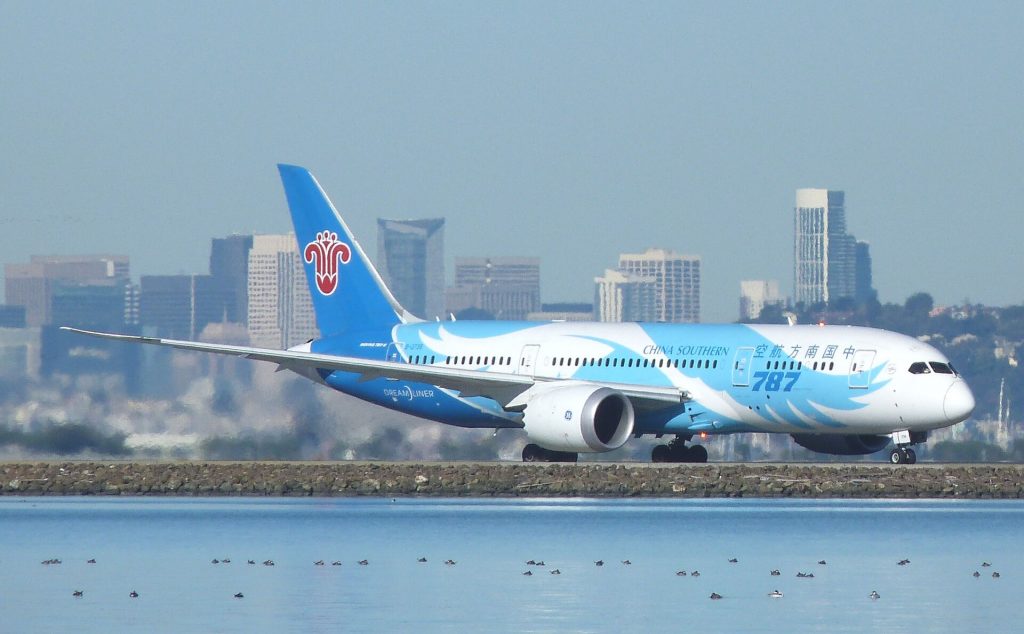
In this context, Boeing risks more than just lost sales—it risks losing confidence in one of the world’s most important aviation markets.
The Impact on Chinese Airlines
For carriers in China, the grounding of Boeing aircraft would create immediate operational headaches. The 787 Dreamliner plays a crucial role in connecting cities across long distances efficiently, especially on routes that don’t justify larger aircraft.
If these planes were taken out of service, airlines could be forced to cut routes, reduce flight frequency, or rely on less efficient alternatives. This would not only increase costs but also limit travel options for passengers.
Replacing these aircraft wouldn’t be easy either. Airbus planes or domestically produced jets could help fill the gap, but scaling up quickly enough to meet demand would be a major challenge.
A Fragile Balance Between Politics and Aviation
Ultimately, this situation highlights how deeply interconnected global aviation has become with geopolitics. What starts as a trade dispute can quickly evolve into an operational crisis affecting airlines, manufacturers, and passengers alike.
While no immediate grounding has occurred, the risk is no longer theoretical. If tensions continue to rise and restrictions expand, the aviation industry could find itself navigating a new kind of turbulence—one driven not by weather, but by politics.