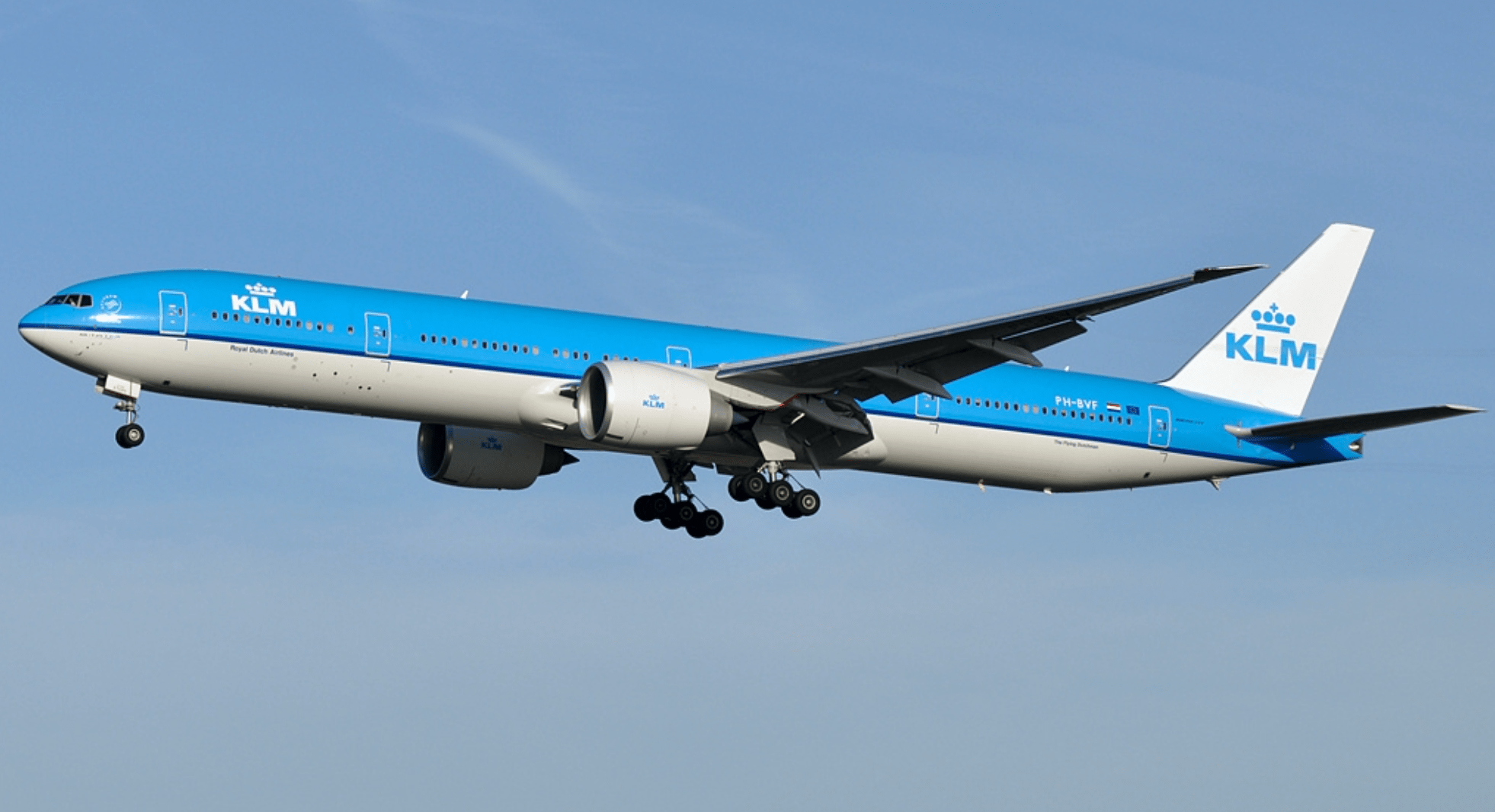
A KLM Boeing 777 was forced to divert to Trinidad after Suriname closed its airspace due to a critical air traffic controller shortage. Here is what happened.
If you have ever wondered what happens when an entire country runs out of air traffic controllers, Suriname just gave us a real-world case study.
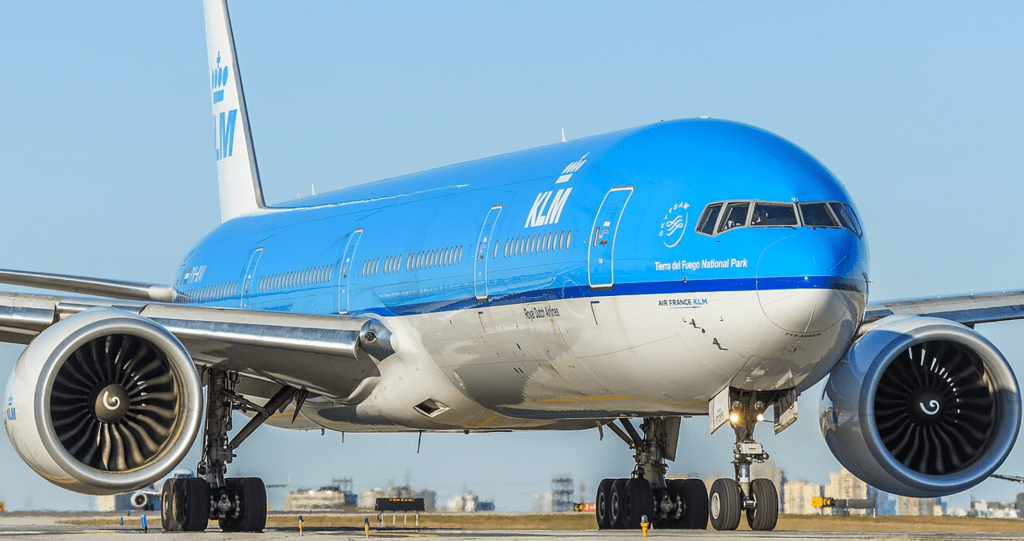
On Saturday, April 25, 2026, KLM Royal Dutch Airlines flight KL713 — a Boeing 777-300ER operating the Amsterdam-to-Paramaribo route — found itself unable to land at Johan Adolf Pengel International Airport. The reason was not weather, not mechanical failure, and not a security threat. The control tower was simply unmanned
What Actually Happened
According to local reports, the tower at Suriname’s main international gateway was without staff until well into the afternoon. The disruption did not end there; operational issues stretched into the evening, leaving the airport effectively closed to both arrivals and departures for large portions of the day .
With no one in the tower to clear it for approach, KL713 — tail number PH-BVP — had no choice but to divert. The aircraft was rerouted to Piarco International Airport in Port of Spain, Trinidad and Tobago, where passengers were required to stay overnight due to operational constraints .
To formalize the downgrade, authorities issued a NOTAM (Notice to Airmen), reclassifying the airspace to a lower safety category. That is aviation-speak for: we do not have the staff to guarantee standard separation and service levels, so we are officially reducing capacity.
This Is Not a One-Off. It Is a Chronic Crisis.
Suriname has been battling a persistent shortage of air traffic controllers for years. The result? Repeated partial or full airspace closures that have become almost routine.
Here is the hard truth: training a certified air traffic controller is not a quick fix. It is a lengthy, rigorous process. Meanwhile, retention is bleeding out. Controllers are leaving — or burning out — due to poor working conditions and crushing workload. The pipeline cannot keep up with the drain.
President Jennifer Simons had previously committed to reforms after tensions escalated with the Suriname Air Traffic Controllers Association. But the union maintains that key agreements have never been fully implemented.
Why the Industry Is Getting Nervous
Aviation stakeholders are not just concerned — they are sounding the alarm. Continued instability in Suriname’s airspace creates a serious problem for airlines. If operators cannot rely on consistent ATC coverage, they will eventually reroute, reduce frequency, or pull out entirely.
That is a massive risk for a country where aviation is not a luxury — it is a lifeline. Suriname’s geography and limited ground transport alternatives make air connectivity critical to the economy. Every overflight fee, every tourist arrival, every cargo shipment depends on a functioning tower.
If this staffing crisis is not resolved, the consequences go beyond delayed KLM flights. Suriname faces long-term economic damage and reputational harm that could take years to repair
The Bottom Line
A Boeing 777 full of passengers diverting to Trinidad because the tower is empty is not a minor operational hiccup. It is a red flag for the entire aviation ecosystem in Suriname. The country has the hardware — the runway, the airport, the demand. What it lacks is the human infrastructure to keep it open.
For travelers, airlines, and the Surinamese economy, the question is simple: how many more diversions before the industry stops coming back