Chasing a Livery That Was Already Gone on the Return
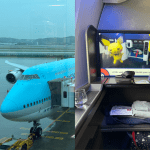
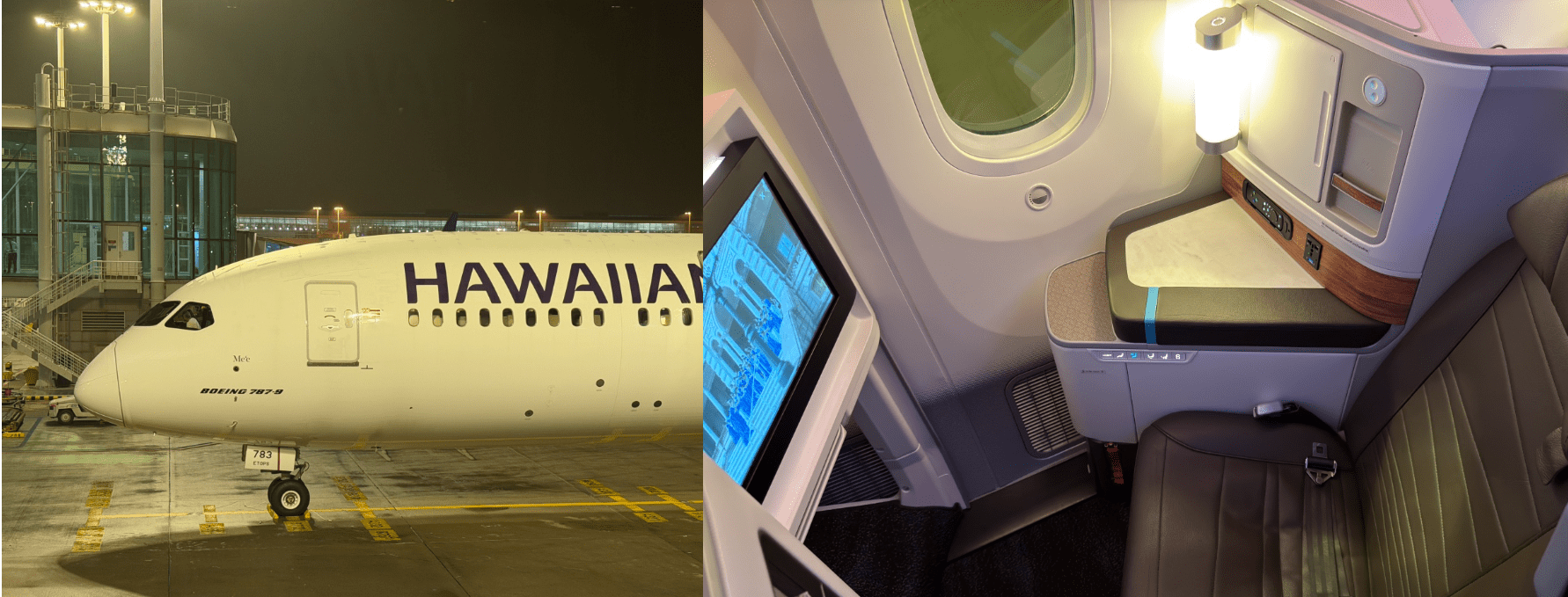
There is a bittersweet thread running through this round-trip report. When the outbound flight departed Seoul Incheon, only one of Hawaiian Airlines’ 787s had been repainted in Alaska Airlines’ Aurora livery following the 2024 merger.
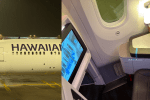
By the time the return leg departed Seattle just two months later, all five remaining 787-9s had been repainted. The old Hawaiian Airlines “wahine” tail logo had completely vanished from the widebody fleet. This is, in part, a farewell note to a livery — and to a brand in transition.
The cash fare for the round trip came in just above USD $2,000 for business class, which the reviewer flags as strong value for a transpacific suite product on a widebody.
Incheon: The Oneworld Lounge Worth Knowing About
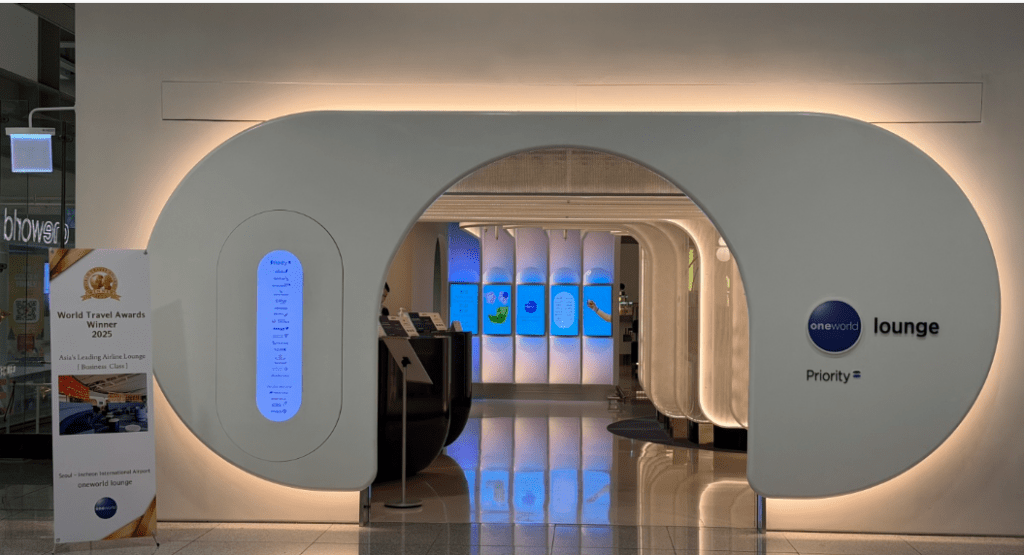
Hawaiian Airlines uses one of only two Oneworld-operated proprietary lounges in the world at Incheon — the other being in Amsterdam, both having opened in January and February of 2024 respectively. Sitting adjacent to Korean Air’s lounge on the upper level of the terminal, the facility punches well above its age.
The food spread is solid: fresh fruit, grilled meats, and vegetables. Private single-occupancy cubicles offer good separation from the wider lounge floor.
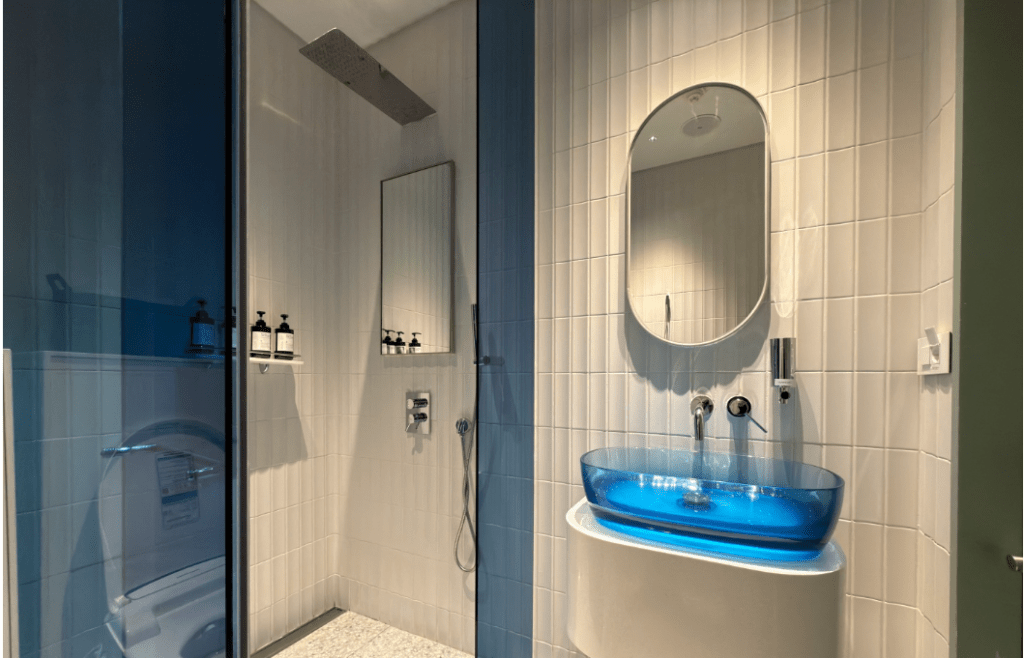
Two shower rooms are available, built with a dry/wet separated layout, stocked with amenities, and kept notably clean — no water marks, hairdryers on hand, the whole setup described as resembling a proper salon.
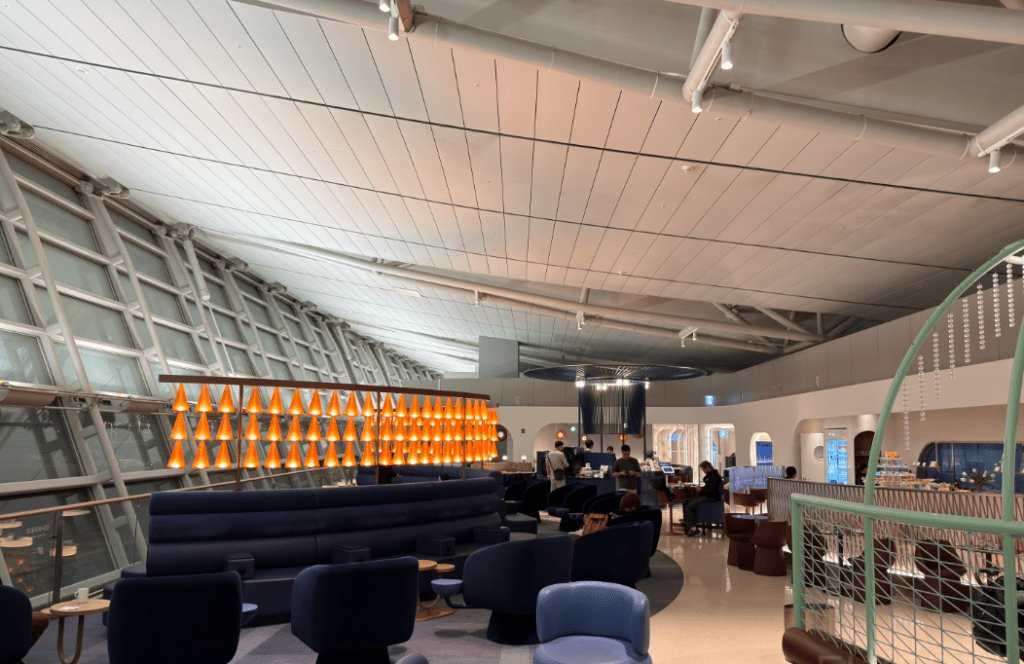
The design skews young and contemporary, and even during the evening departure rush the lounge did not feel overwhelmed.
The Suite Product: Hardware Overview
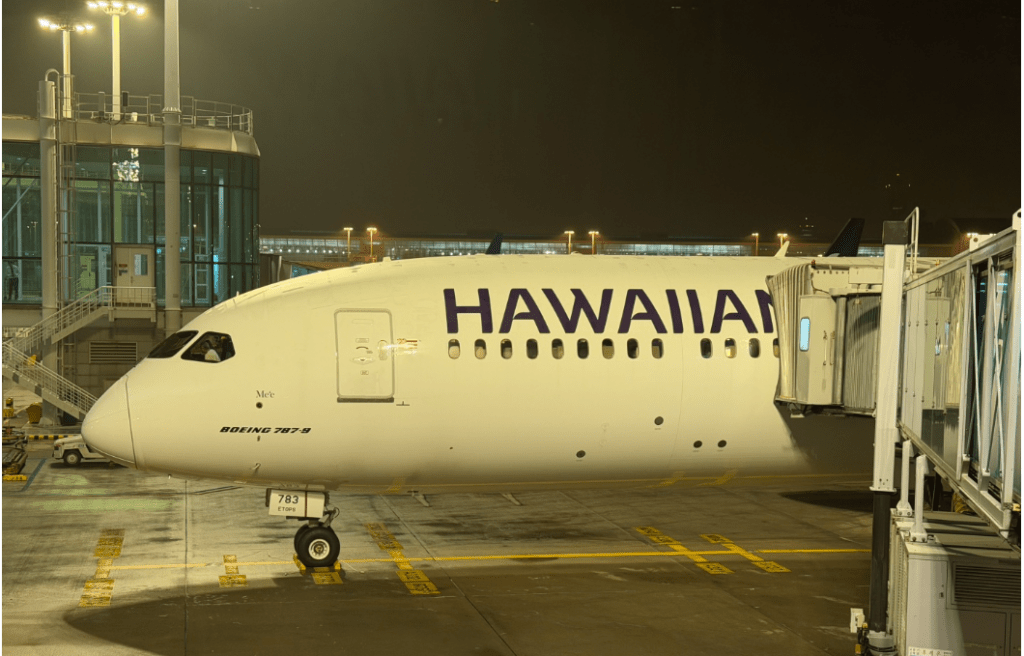
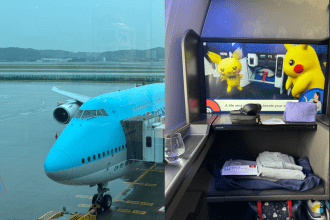
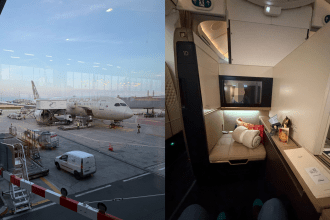
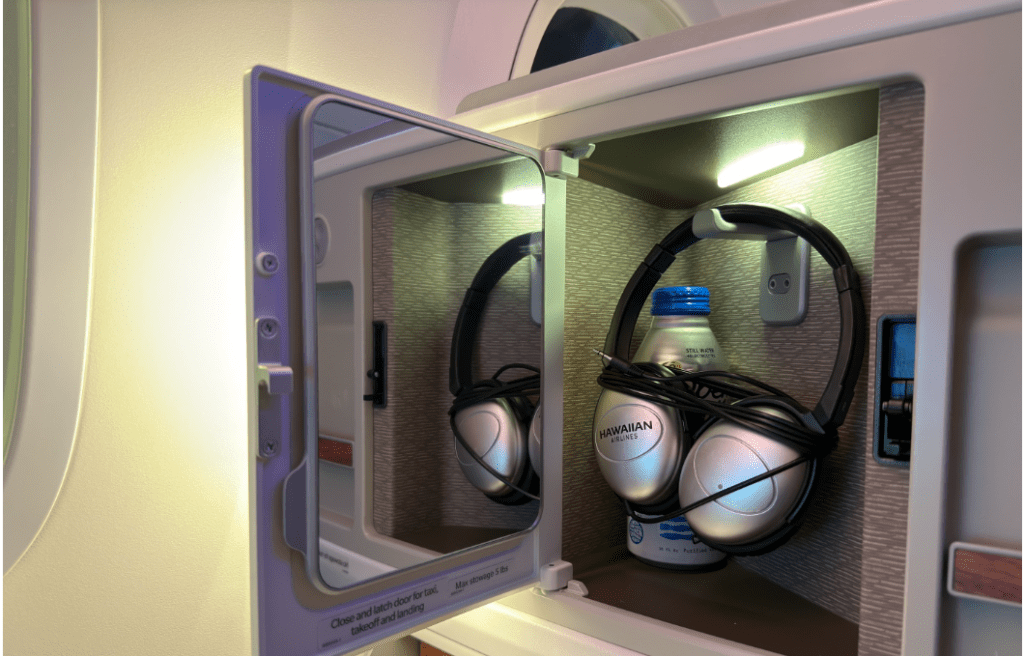
The outbound aircraft was N783HA, just eight months old at the time. Hawaiian’s 787-9 business class uses a fully enclosed suite configuration with a closing door — genuine privacy, with the aisle effectively eliminated once sealed. The wireless charging cradle had an unusually satisfying damping resistance, a small detail that landed.
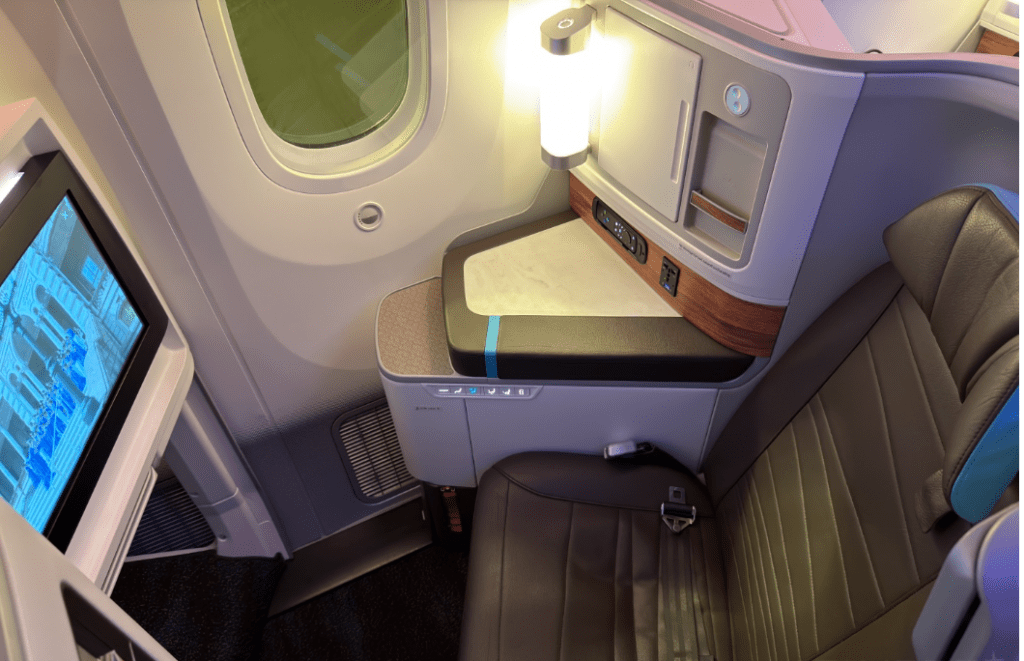
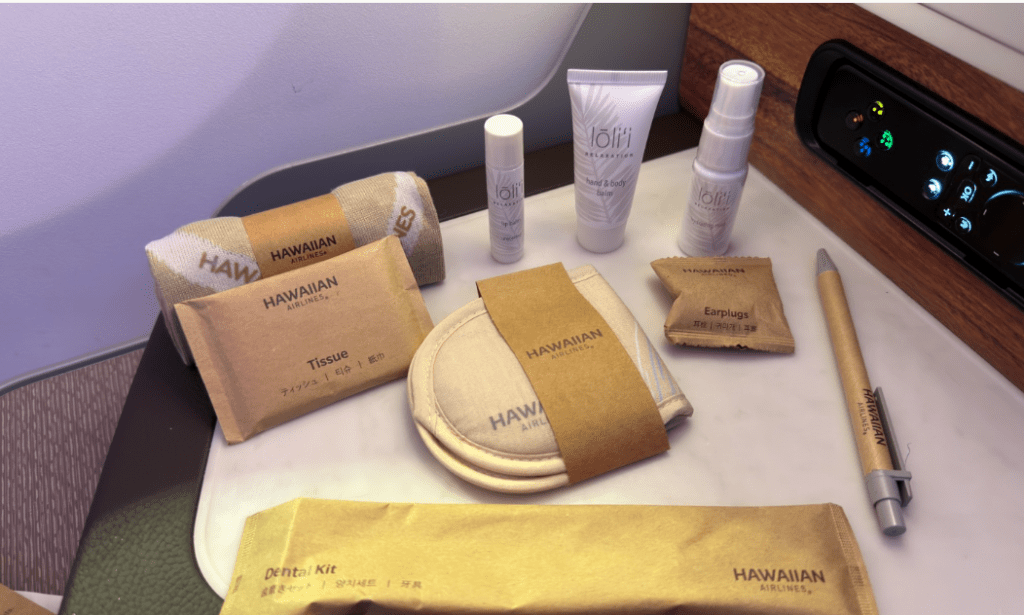
Bottled water was provided in a reusable metal bottle. The amenity kit arrived empty, with toiletry items available on a self-selection tray — passengers choose what they actually want rather than receiving a pre-packed set.
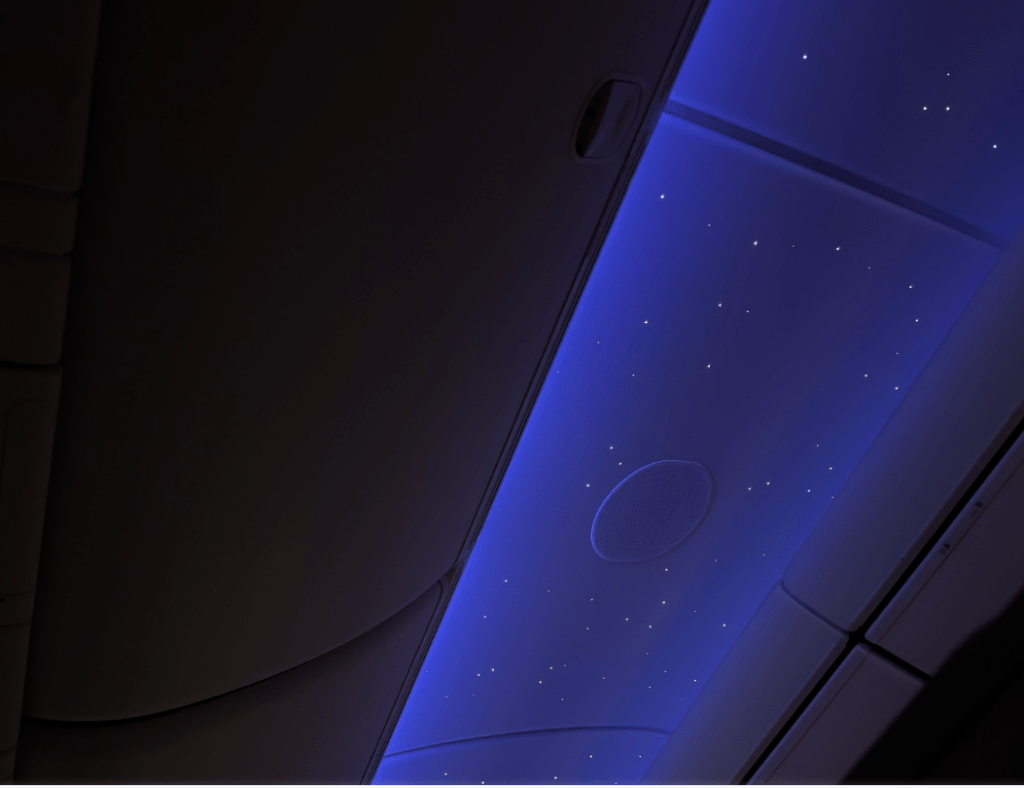
The flat bed converts fully, though one caveat applies to the outbound direction: the Seoul to Seattle service does not provide a mattress topper, only a blanket. The return direction — Seattle to Seoul — did include a proper mattress, making for a noticeably more comfortable sleep surface. The overhead cabin lighting during the night rest period featured a starfield effect, a small atmospheric touch.
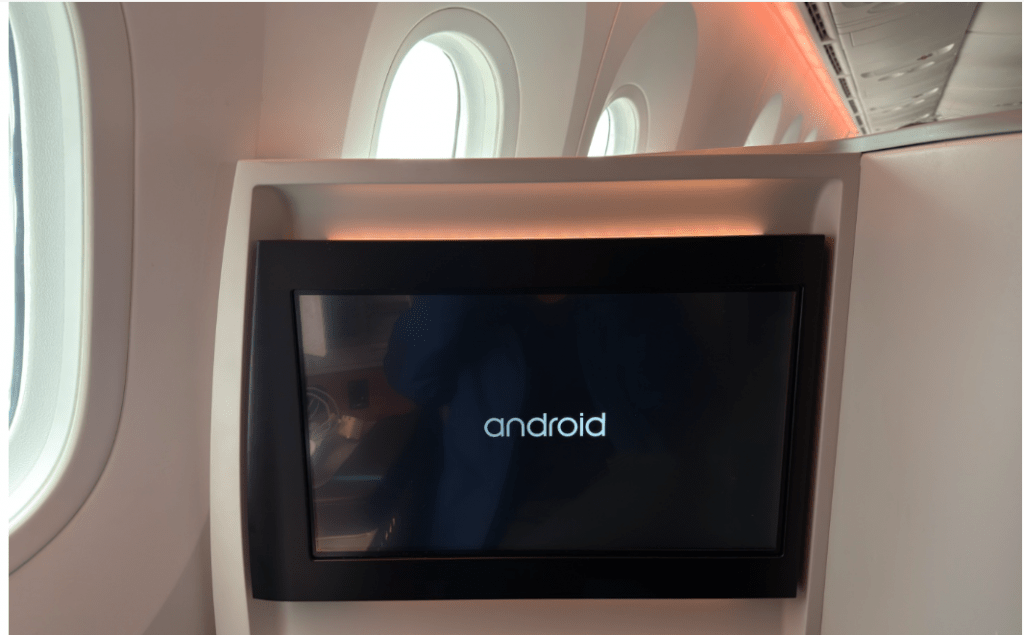
The IFE screen was sharp and clear. The safety video was described as characterful — a nod to Hawaiian’s longstanding tradition of distinctive safety demonstrations.
Foot space in the suite was noted as slightly tight, which is worth flagging for taller passengers.
Outbound Cabin Service: Seoul to Seattle
Macadamia nuts arrived as a pre-meal snack — a Hawaiian Airlines signature, though the reviewer suggests it might be time to rotate in some variety alongside them. The meal itself consisted of a Korean option, specifically a grilled meat patty, which performed well, and a blueberry cake for dessert. Breakfast was served around two hours before landing: standard fare, nothing surprising, followed by a small piece of chocolate.
The food overall was assessed as competent and inoffensive — no disasters, no standouts.
Seattle: Alaska Airlines Lounge, One Glaring Gap
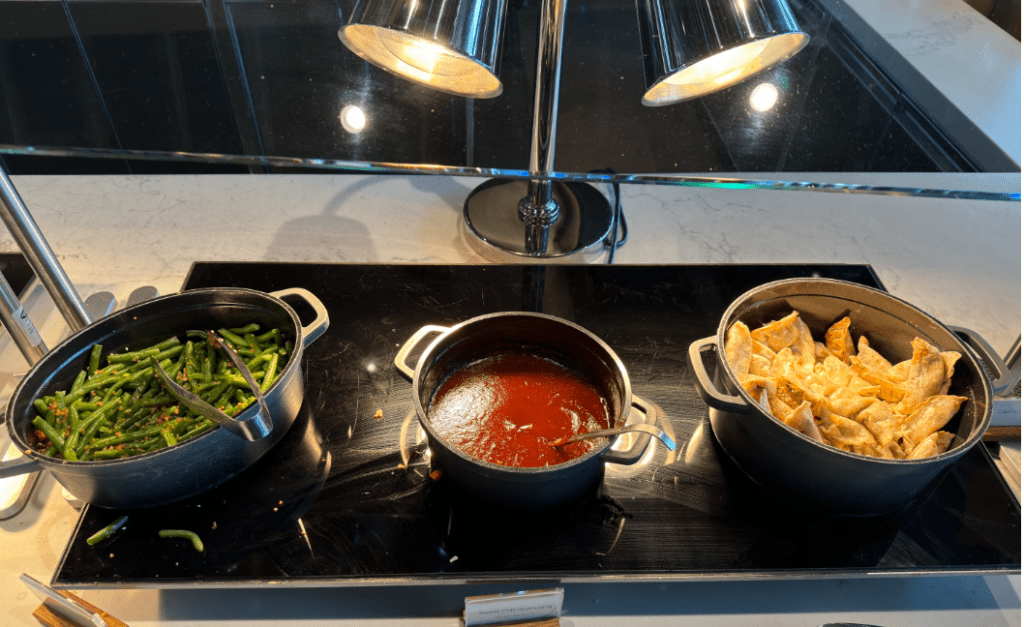
The return pre-departure experience shifted to the Alaska Airlines lounge at Seattle-Tacoma, the airline’s home hub. The facility is large and well-stocked — roasted asparagus and pan-fried dumplings were singled out as the clear highlights of the food spread, with char siu pork and hot dishes also available. Capacity was stretched, with seats fully occupied during the visit.
The hard gap in the product is the absence of shower facilities. Alaska Airlines historically operated no long-haul widebody routes from Seattle, so the lounge was never built with showers in mind. Now that Hawaiian’s transpacific network routes through it, the omission is a genuine inconvenience for passengers coming off a long trip or preparing for one. The reviewer expresses hope that this gets addressed quickly.
Return Cabin Service: Seattle to Seoul
The return aircraft was N780HA — the oldest 787 in what was Hawaiian’s fleet, at two years old. Age showed in one frustrating way: the IFE screen repeatedly crashed and restarted throughout the flight. The crew worked on it for an extended period; partial functionality was restored after takeoff, but the flight map application crashed every time it was opened. For a passenger who had no interest in films and simply wanted to track the route, this was a significant annoyance.
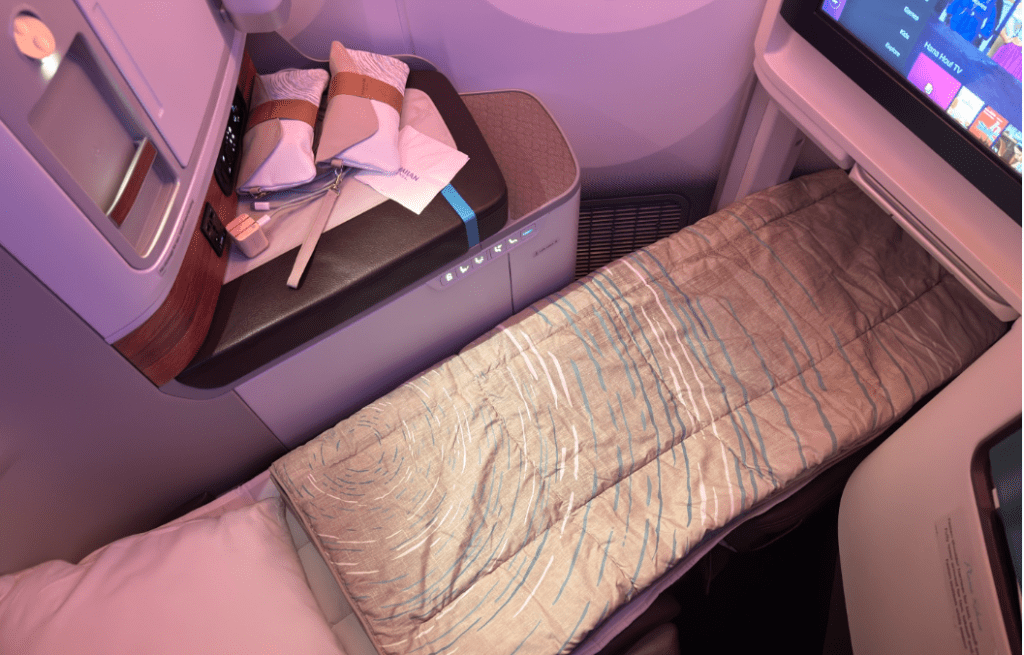
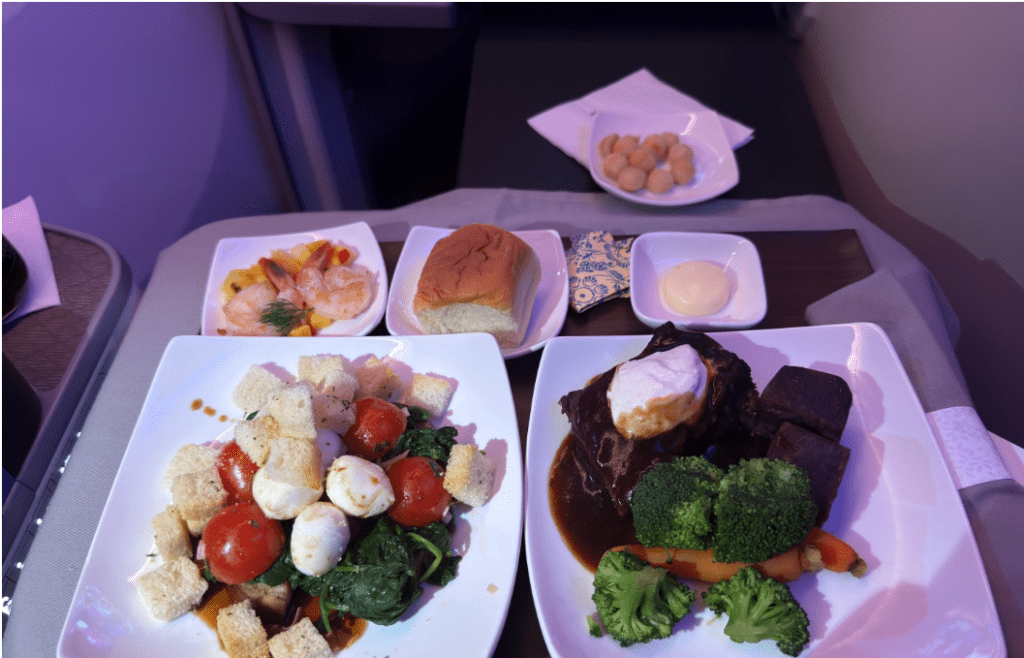
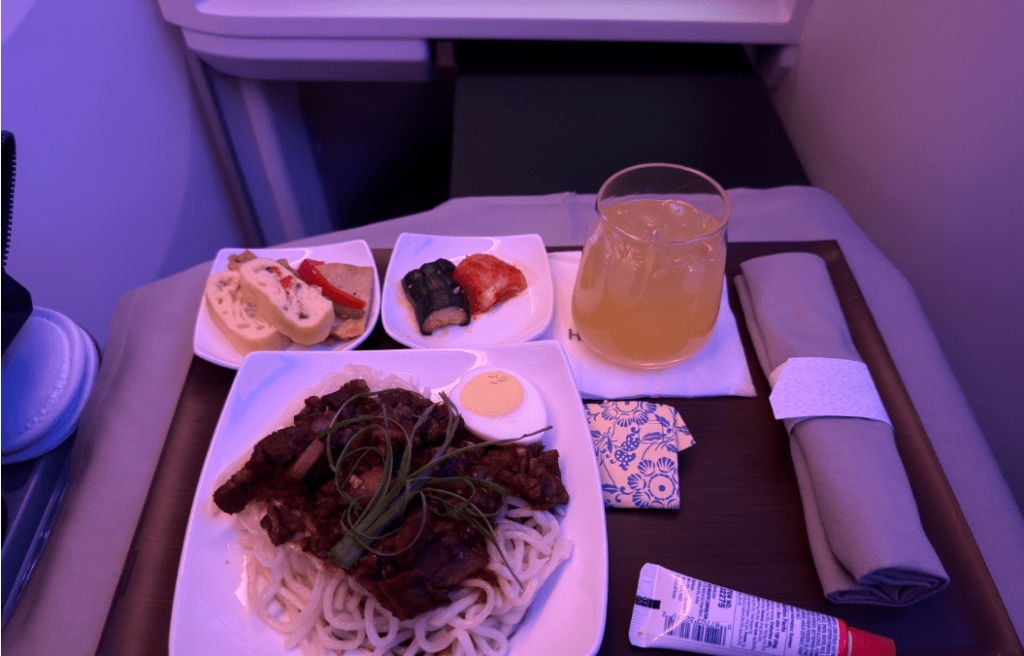
The meal on the return was stronger. Slow-braised beef, well-cooked and tender, was served alongside two pieces of roasted purple sweet potato — both drew praise. Chocolate cake for dessert. Pre-arrival breakfast offered a Korean noodle option with a generous meat portion. The mattress topper on this direction made sleep genuinely comfortable.
Overall Assessment
Hawaiian Airlines’ suite business class delivers solid privacy and a reliable if unspectacular food programme, at a price point that undercuts many comparable transpacific competitors. The Incheon Oneworld lounge is a genuine asset — modern, clean, and well-equipped. The Seattle lounge’s lack of showers is a real weakness that the Alaska integration will need to resolve. A malfunctioning IFE on the return was the most significant service failure of the trip, and one that left a dent in an otherwise decent experience.
For the fare paid, the reviewer’s verdict is that it still represents good value — with the quiet footnote that the airline flying these routes is, in livery at least, already something else entirely.