A Weekend of Chasing Planes Across the Canadian Prairies
For aviation enthusiasts based in Toronto, a weekend spent hopping across the Canadian interior offers a surprisingly varied lineup of aircraft and experiences.
This is a recap of a one-day trip covering two Air Canada flights — AC259 from Toronto to Winnipeg aboard an Airbus A220, and AC1968 from Thunder Bay back to Toronto on an Airbus A319 operated by Air Canada Rouge — bookended by a side adventure on Bearskin Airlines, which will be covered separately.
The full itinerary was booked through Air Canada’s Aeroplan frequent flyer program at 24,100 points plus CAD $105.58 in taxes and fees. For those specifically looking to experience Bearskin Airlines’ Swearingen Metroliner, this routing is arguably the most cost-effective way to tick that box.
Toronto Pearson: Lounge Access and a Smooth Start
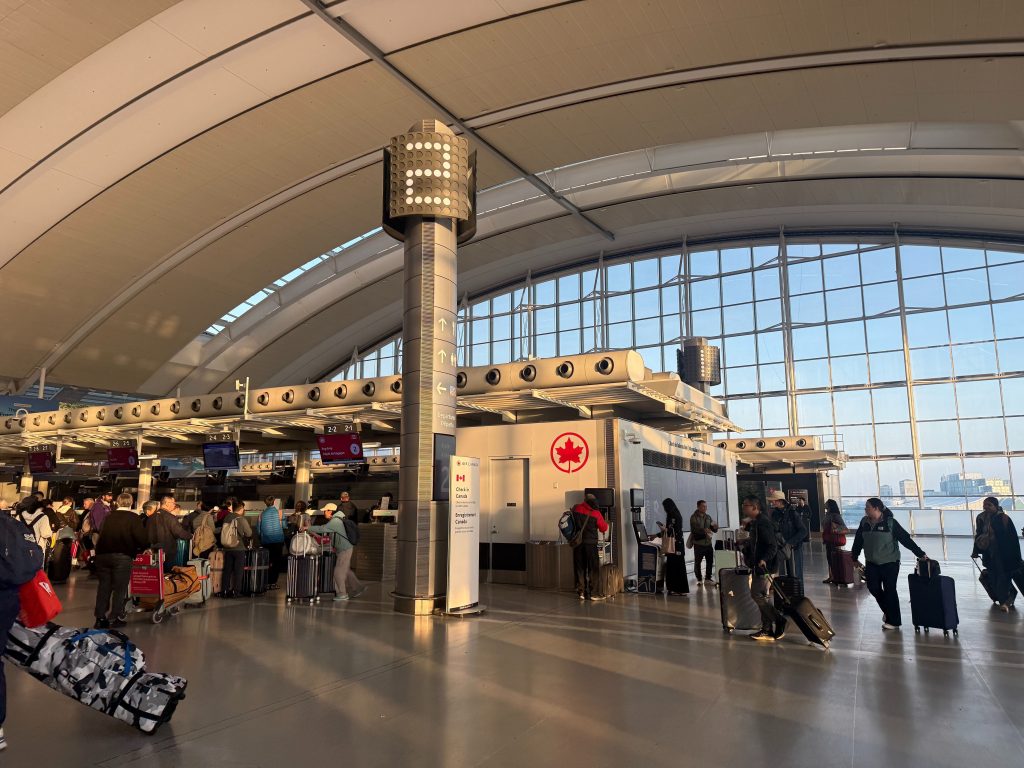
Arriving at Terminal 1 just after 6:00 AM for an 8:25 departure, the morning began with the perks of a well-stocked loyalty ecosystem. With a friend holding Air Canada elite status and an Air Canada co-branded premium credit card, check-in was handled at the Priority counter on Island 1, complete with priority baggage drop and boarding access.
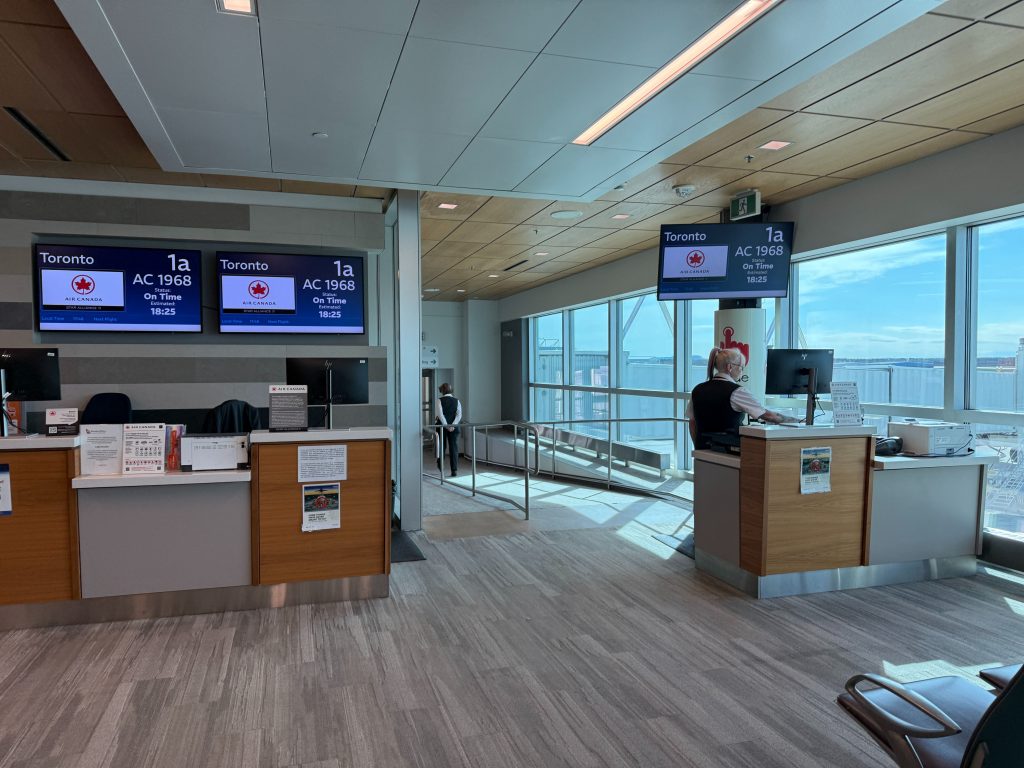
Toronto’s domestic terminal offers three lounge options worth knowing: the Maple Leaf Lounge and Air Canada Café, both accessible via the Amex Air Canada Reserve card, and the Plaza Premium Lounge, accessible with the Amex Platinum card. The Maple Leaf Lounge is the fuller sit-down experience, offering a proper breakfast spread, while the AC Café downstairs leans grab-and-go — soft drinks, wraps, fruit, and a proper coffee bar. The Thai chicken wrap was a standout, and a cold brew made for a solid pre-flight ritual.
American Express Platinum cardholders also gain access to a dedicated priority security lane at Pearson, which can now be added directly to Apple Wallet — a small but genuinely useful touch.
AC259: Toronto to Winnipeg on the A220-300
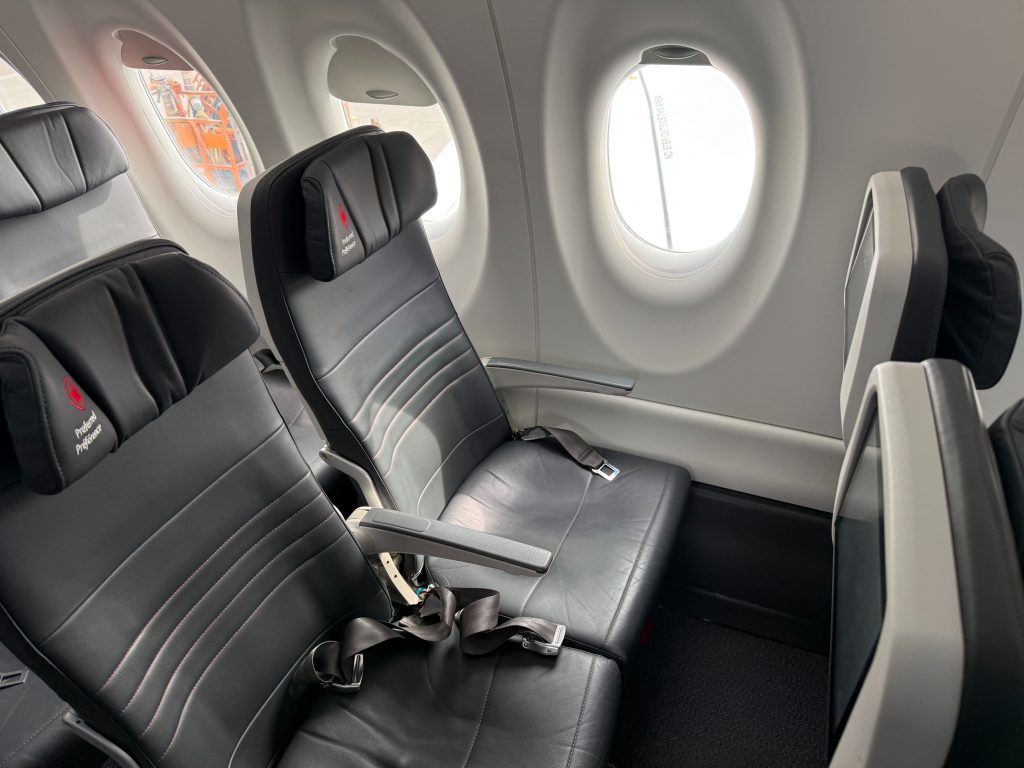
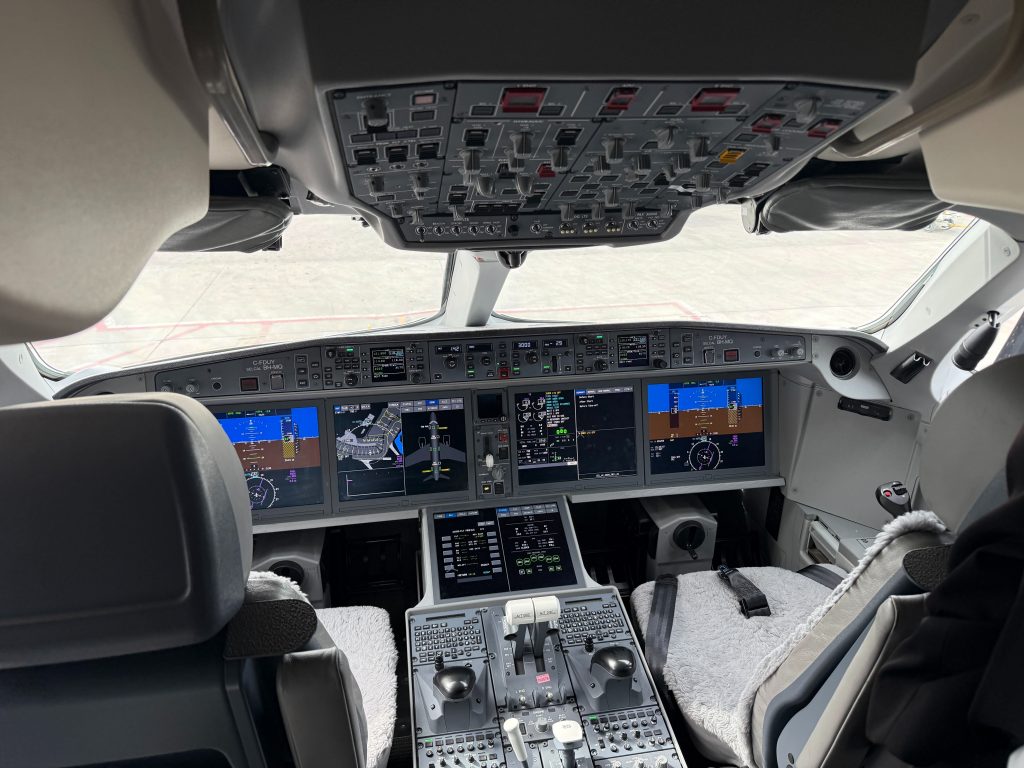
The aircraft assigned was a nearly brand-new Airbus A220-300 (registration C-FDUY, just 0.9 years old), configured in a C12Y125 layout — twelve business class seats in a 2-2 arrangement and 125 economy seats in a 2-3 configuration.
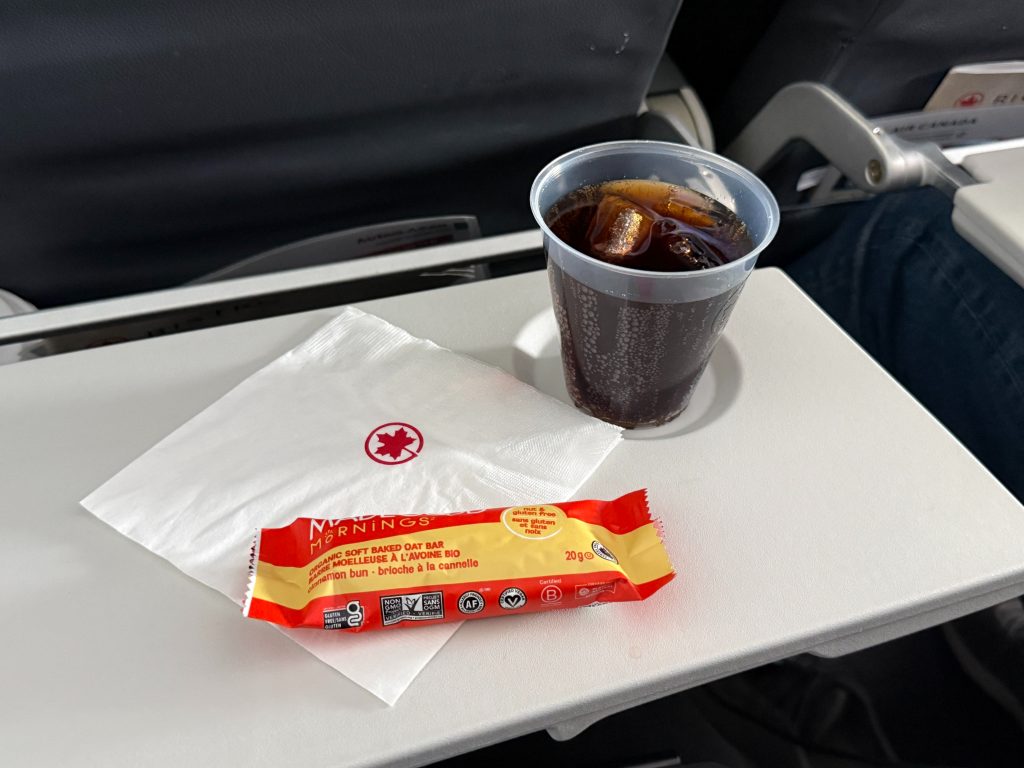
Seated in row 21A, a Preferred Seat offering roughly 10 centimeters of additional legroom over standard economy, comfort was solid for the roughly two-and-a-half-hour flight. The A220’s wide single-aisle cabin, generous overhead bins, and large windows remain standout features on a narrowbody, and it is easy to see why passengers tend to react warmly to the type. Wi-Fi coverage was available gate-to-gate.
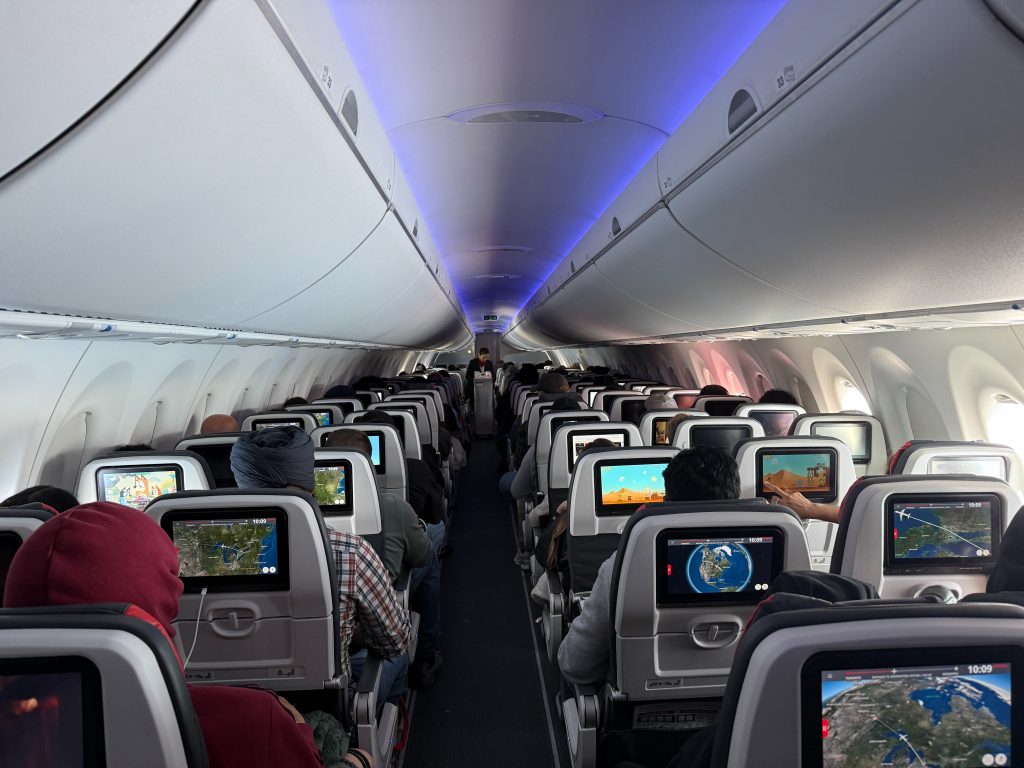
The flight offered complimentary soft drinks and snacks, with paid meal options available. Load factor was noticeably high. A passing highlight: spotting a CL-415 water bomber and a Canadian Armed Forces C-130 Hercules on the ramp at Winnipeg — a reminder of just how utilitarian aviation gets once you venture beyond the major hubs.
Thunder Bay: A Small Airport in the Middle of Renovations
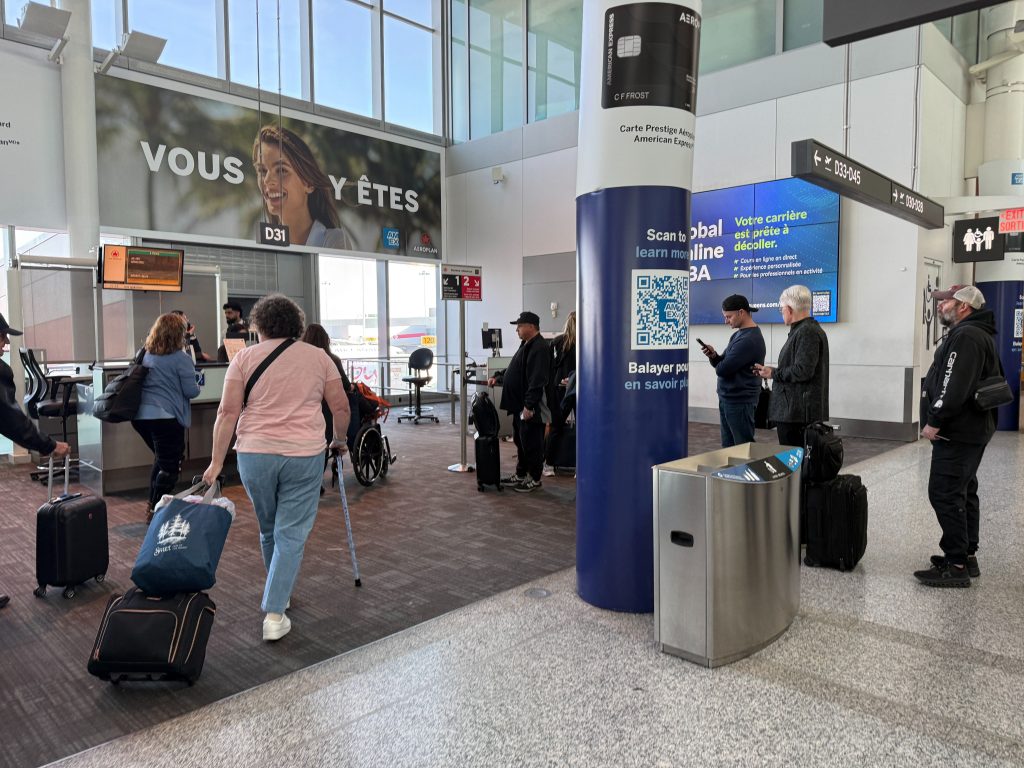
After the Bearskin leg to Thunder Bay, the return journey began at what is a compact regional airport currently mid-renovation. The Air Canada counter had already issued return boarding passes from Toronto that morning, so no additional check-in was needed. The departure area is modest — just a few jetways — but functional, and boarding began a full 25 minutes ahead of schedule owing to a light passenger load.
AC1968: Thunder Bay to Toronto on the A319 via Air Canada Rouge
The return flight was operated by Air Canada Rouge, the carrier’s leisure subsidiary, on an Airbus A319 registered C-FYJH — an aircraft with a respectable 29 years of service. The cabin is laid out C12Y124, which means, somewhat surprisingly, one fewer total seat than the much newer A220 flown in the morning.
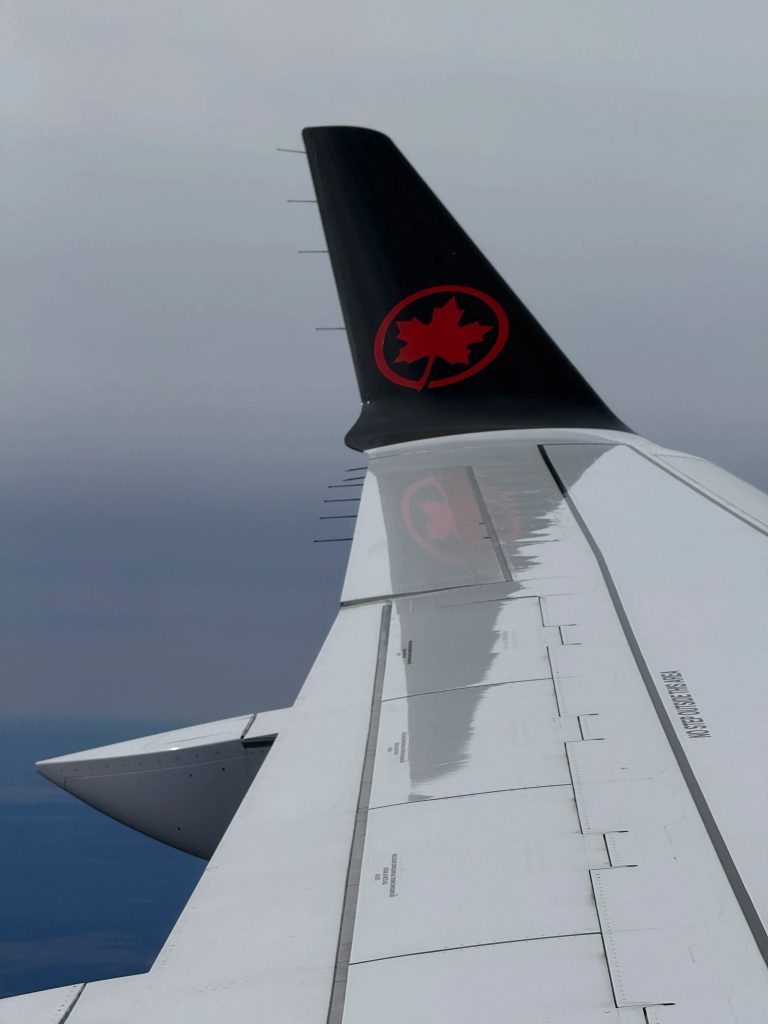
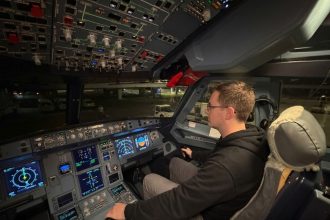
Rouge’s business class differs from mainline Air Canada in one notable way: there is no hard divider between the cabin classes, giving the forward rows a more open, relaxed feel. Legroom was acceptable. Unusually, the cockpit door remained open during boarding — passengers could lean in and say hello to the crew, a small but charming touch that feels increasingly rare.
Since there are no seatback screens, the crew performed a live safety demonstration. A pleasant surprise for a 29-year-old airframe: Wi-Fi was available throughout the flight. Complimentary drinks and snacks were served, though after a full day of flying, the seat became a bed and the next conscious moment was Toronto.
Final Thoughts
This routing is a tidy showcase of Air Canada’s domestic diversity — a near-new A220 in the morning, a vintage Rouge A319 in the evening, and a vintage turboprop sandwiched in between.
Redeemed via Aeroplan at a reasonable points cost, and supplemented by solid lounge access at Pearson, the trip offered strong value for an aviation-focused weekend away. For anyone curious about the smaller regional carriers operating under the Air Canada umbrella, this is a well-structured way to experience several aircraft types in a single day without breaking the bank.