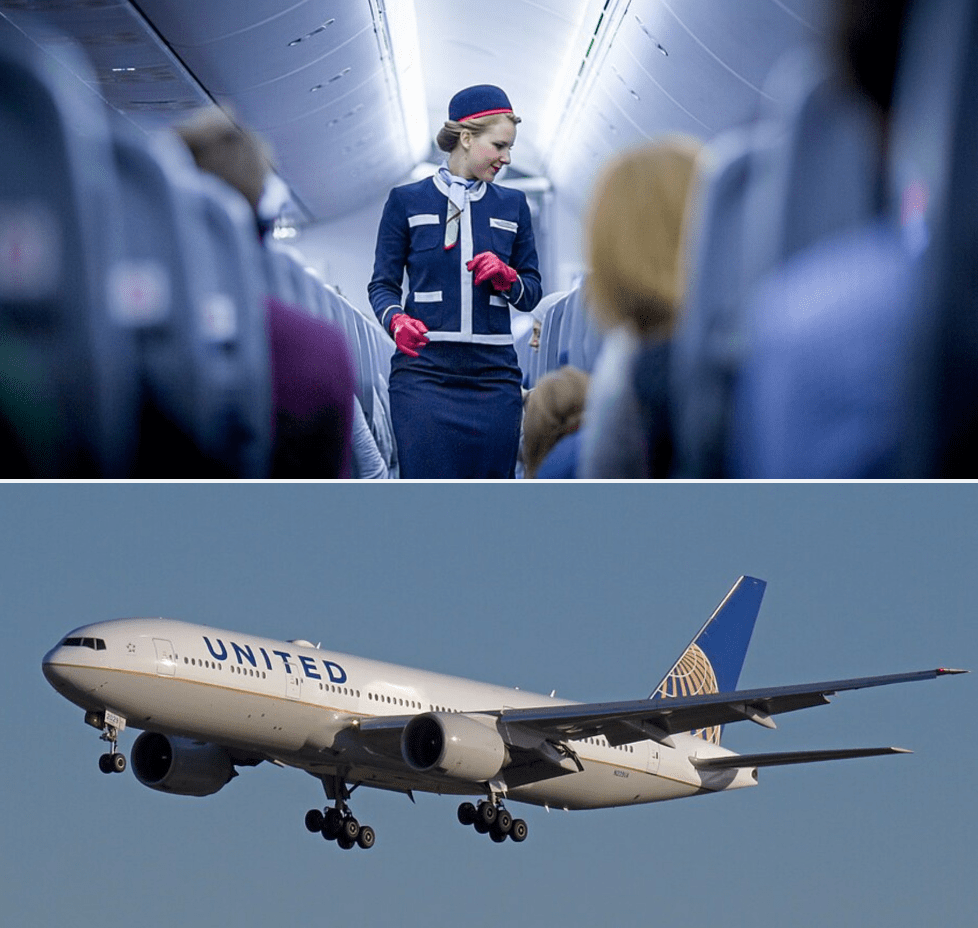
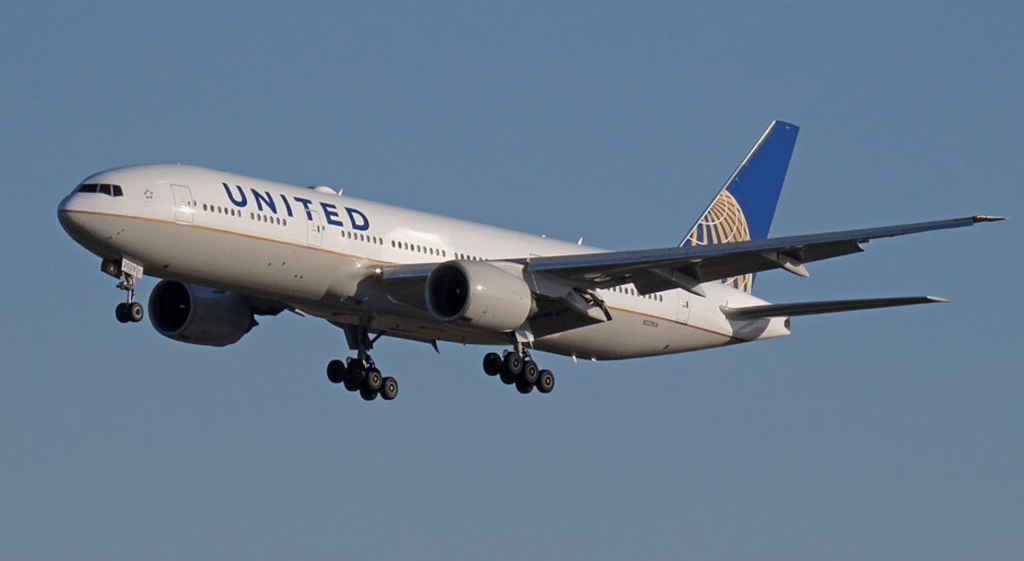
After nearly six years of negotiations, picket lines, and two rounds of member votes, United Airlines flight attendants have officially ratified a landmark five-year contract with an overwhelming 82% approval and nearly 89% voter turnout. . The Association of Flight Attendants-CWA (AFA-CWA) announced the ratification on May 12, 2026, cementing this agreement as the most valuable flight attendant contract in the U.S. airline industry.
This isn’t just a win for United’s cabin crew — it’s a seismic shift in how the industry values the people working at 35,000 feet.
The Numbers Behind the Deal: 31% Raise, $741M Retro Pay, and Boarding Pay
Let’s cut straight to what matters: the money.
Base Pay Jumps 31% This Summer
The contract delivers an average 31% increase in base pay rates, with raises taking effect in June and August 2026. For new hires, that means a jump from $28.88 to $37.10 per hour right out of the gate.
For the most senior flight attendants — those with 13+ years on the job — hourly pay will top $100 by August 2030
$741 Million in Retroactive Pay
United is cutting a single $741 million retroactive pay check to make up for years without a raise. That’s not a typo. The contract became amendable back in August 2021, meaning crew members went nearly five years without a pay bump while inflation ate away over 20% of their purchasing power.
Boarding Pay Is Finally Here
For the first time, United flight attendants will be paid for boarding passengers — an industry practice that Delta (non-union) pioneered in 2022. This adds an estimated 7–8% in additional compensation on average and applies to initial boardings, re-boardings, and even boarded-then-canceled flights.
“The contract will immediately change the lives of United Flight Attendants, especially our thousands of new hires who have been hired since the pandemic. Our solidarity delivered the goods.” — Ken Diaz, AFA United President
Quality-of-Life Wins: Sit Pay, Red-Eye Limits, and Reserve Reform
This contract isn’t just about bigger paychecks — it’s about fixing the parts of the job that burn people out.
“Sit Pay” for Long Ground Stays
Flight attendants will now receive “sit pay” at 50% of their hourly rate for any scheduled or rescheduled ground sit lasting more than 2.5 hours. This directly incentivizes United to avoid those brutal, unpaid multi-hour layovers that have long been an industry pain point.
Red-Eye Flying Restrictions
The new agreement limits crew members to just one flight before a red-eye assignment. If you’ve ever worked a full day only to pull an overnight shift, you know why this matters.
Reserve Reform: Goodbye 24-Hour On-Call
The dreaded 24-hour on-call reserve system is gone, replaced by 14-hour Reserve Availability Periods. his gives reserve flight attendants more predictable schedules and a better shot at actually sleeping in their own beds.
Job Security, Parental Leave, and Retirement Boosts
Scope Protections and Job Security
The contract includes expanded job security language aligned with United’s pilot agreement, including limits on Express flying, code-share, and revenue-share operations. This prevents United from outsourcing cabin crew work to regional partners — a critical win for protecting union jobs.
Paid Family Leave
United flight attendants will now receive:
- 2 weeks of paid parental and adoption leave
- 10 weeks of paid maternity leave
In an industry where starting a family often meant choosing between your career and your paycheck, this is a genuine game-changer.
Per Diem and 401(k) Increases
The deal also bumps up per diem rates and 401(k) employer contributions, adding long-term financial security on top of the immediate pay gains.
The Long Road to Ratification: Why This Contract Almost Didn’t Happen
Getting here wasn’t easy.
The contract became amendable in August 2021. By August 2024, flight attendants had voted to authorize a strike if necessary. A first tentative agreement went to a vote in May 2025 — and 71% of members rejected it. The union went back to the drawing board, conducted a fact-finding mission to understand member priorities, and returned to federally mediated negotiations in October 2025 under National Mediation Board mediator Michael Kelliher.
The second tentative agreement was reached in March 2026. This time, the math was different: 82% yes, 88.85% turnout.
What changed? The union better aligned the money with crew priorities — more boarding pay, stronger sit pay language, better hotel guarantees reverting to “Business Class” standard, and the removal of United’s eleventh-hour demands for a new scheduling system.
What This Means for the Rest of the Industry
United was the last major U.S. carrier with unionized flight crews to reach a post-pandemic labor deal. With this ratification, the entire legacy airline industry has now renegotiated its cabin crew contracts in the post-COVID era.
Here’s the competitive landscape now:
- United: Highest base pay, boarding pay, sit pay, $741M retro
- American: Ratified its deal two years ago with profit-sharing
- Delta: Non-union, but pioneered boarding pay and has aggressive profit-sharing that could still keep total compensation competitive depending on the airline’s profitability
“The United Airlines Flight Attendant contract now leads the industry in total value for Flight Attendants and it should.” — Sara Nelson, International President, AFA-CWA
Bottom Line: A New Bar for Aviation Labor
This contract does three things at once:
- It makes United flight attendants the highest-paid in the country — at least on base pay and guaranteed compensation.
- It establishes boarding pay and sit pay as new industry standards — practices that will likely appear in future negotiations at every major carrier.
- It proves that sustained union pressure works — even when the first deal gets rejected, even when negotiations stretch across six years and two presidential administrations.
For the 30,000 men and women who keep United’s cabins safe, this isn’t just a contract. It’s validation that their work — aviation’s first responders, as AFA calls them — is finally being priced at what it’s worth.